Mesothelioma at the End of Life: What to Expect
Late-stage pleural mesothelioma commonly brings increasing breathlessness, fatigue, pain, weight loss, and fluid building up around the lung, and care usually shifts from treating the disease toward keeping the person comfortable. On survival: the National Cancer Institute’s physician summary reports median survival of about 16 months for people with pleural disease and about 5 months when the disease is extensive (NCI). Those numbers deserve a careful reading, which this article gives them. Hospice — a comfort-focused service for the patient and the whole family — is available at home or in inpatient facilities, and calling on it earlier rather than later is one of the most common pieces of advice from families who have been through this.
Reading Survival Numbers Honestly
Medians are midpoints of groups, not predictions for a person. Half of the patients in the studies lived longer than the median — sometimes much longer — and outcomes bend on factors the median can’t see: stage, cell type, the person’s fitness, and what treatment they can have. NCI’s figures come from studies, many of enrolled or treated patients, so they are a rough map of the territory, not a countdown clock for any individual.
If a care team gives you a personal estimate, ask what it is based on and what would change it. Uncertainty is not vagueness or evasion; it is an honest description of what the evidence supports.
Symptoms in the Final Months
Every person’s path is different, but certain patterns are common as pleural mesothelioma advances:
- Breathlessness — often the dominant symptom, caused by fluid reaccumulating around the lung and by the disease restricting the chest. Drainage, medication, and pacing of activity all help; see palliative and supportive care for how symptom control works.
- Fatigue — profound tiredness that rest doesn’t fix, which is why days get shorter and naps longer.
- Pain — usually manageable with the right medication plan; uncontrolled pain is a signal to call the care team, not something to endure.
- Appetite and weight loss — eating becomes tiring; small, favorite portions beat big meals.
- Fluid buildup — recurring pleural effusion that may need repeat drainage.
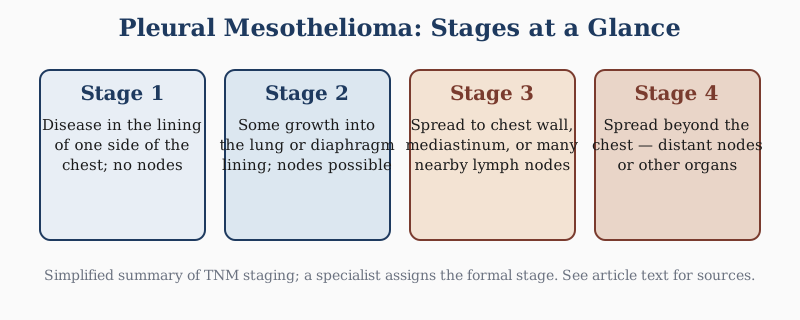
For context on why stage drives these patterns, see how mesothelioma is staged.
What Hospice Does — and When to Start
Hospice is not a place you are sent; it is a team that comes to you in most cases. The National Cancer Institute describes it as care most often delivered at home, though it can also run in inpatient facilities, hospitals, and nursing homes (NCI). A typical hospice team includes nurses who visit and answer calls at all hours, aides for personal care, social workers, chaplains if wanted, medications and equipment related to comfort, and support for the family during and after the illness.
Eligibility is doctor-based, not diagnosis-based: insurance plans, including Medicare, generally cover hospice once the attending doctor and the hospice medical director certify a life expectancy of about six months or less (NCI). You can discuss hospice with the care team at any point — and you can keep asking the team about disease-directed treatment at the same time.
Practical and Legal Steps Before the End
Families rarely regret handling paperwork early, while the patient can still take part. The essentials most families face:
- Wills, powers of attorney, and advance directives — a lawyer can prepare these quickly; some states also accept simpler signed forms. Getting the patient’s wishes in writing removes guesswork later.
- Compensation claims — mesothelioma is linked to asbestos exposure, and both the patient’s claim and certain family claims have deadlines that run whether or not anyone feels ready. Our legal and compensation guide explains the main routes, and some claims survive the patient: what families can file after a death covers wrongful-death and estate claims in plain terms.
- Benefits paperwork — pensions, insurance, and veteran benefits each have their own windows and requirements.
None of this replaces the time that matters more. Doing it early is precisely what protects that time.
What Happens in the Last Days
The NCI’s guide for caregivers describes the final days of life in plain terms (NCI): the person sleeps more and may withdraw; they usually stop wanting food and drink, which is the body’s change and not suffering the family can fix; and breathing often becomes irregular, with shallow breaths and short pauses. Two things from that guide are worth remembering. First, these changes are expected — they are the normal shape of the last days, not emergencies. Second, most people are still able to hear after they can no longer speak, so holding a hand and speaking gently is not pointless; it is the point.
Grief Support for Families
Grief does not wait for the death to begin, and it does not end at the funeral. Hospice teams typically include bereavement support for the family for a period after the death — ask early. CancerCare offers free counseling and support groups for people who have lost someone (1-800-813-4673) (CancerCare), and our resources page lists support organizations by need. If you were the primary caregiver, the caregiver’s guide includes the reminders that matter most afterward: keep your own appointments, and treat recovery as a project with a timeline measured in months.
References
- National Cancer Institute — Malignant Mesothelioma Treatment (PDQ), Health Professional Version: reported median survival for pleural and extensive disease.
- National Cancer Institute — Last Days of Life (PDQ), Patient Version: what the final days look like, including eating, breathing, and hearing.
- National Cancer Institute — Choices for Care With Advanced Cancer (hospice): where hospice happens, what teams provide, and eligibility.
- National Cancer Institute — Palliative Care in Cancer: symptom-directed care alongside or instead of curative treatment.
- CancerCare — Support Services: free counseling and support groups for patients and bereaved families; phone 1-800-813-4673.